Canine Parvovirus (CPV) is one of the most severe viral infections affecting dogs, particularly puppies. It is a highly contagious pathogen that primarily targets the gastrointestinal tract, causing symptoms such as severe diarrhea, vomiting, and dehydration. The Canine Parvovirus CPV Antigen Rapid Test Kit is a vital tool for the early and accurate detection of CPV infection, enabling timely treatment and preventing the spread of the virus.
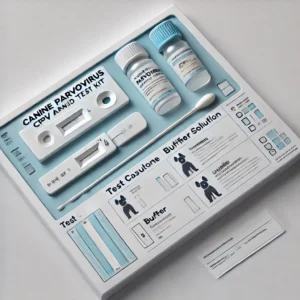
What is Canine Parvovirus?
Canine Parvovirus is a small, non-enveloped DNA virus belonging to the Parvoviridae family. It is known for its environmental stability, allowing it to survive for extended periods in contaminated areas. CPV is primarily transmitted via the fecal-oral route. The virus is highly infectious, especially in unvaccinated dogs [CDC].
For a detailed overview of CPV’s virology, visit the National Institutes of Health (NIH).
The Importance of CPV Antigen Rapid Testing
1. Early Detection
Rapid test kits provide results within minutes, allowing veterinarians to diagnose CPV early. Early detection is crucial for initiating treatment and reducing mortality rates [PubMed].
2. Accurate Diagnosis
The test detects CPV antigens in fecal samples with high sensitivity and specificity, differentiating it from other causes of gastroenteritis [FDA].
3. Infection Control
Identifying infected dogs quickly helps prevent the spread of CPV in kennels, shelters, and other multi-dog environments [USDA].
Features of the CPV Antigen Rapid Test Kit
- High Sensitivity and Specificity
The kit ensures reliable detection of CPV antigens in fecal samples, even at low concentrations [CDC]. - User-Friendly Design
The simple format allows veterinarians and pet owners to perform the test without requiring specialized equipment [NIH]. - Rapid Results
Results are typically available within 5–10 minutes, enabling immediate clinical decisions [FDA]. - Portable and Compact
Ideal for use in field settings, veterinary clinics, or shelters [NSF].
How the Test Works
- Sample Collection: A fecal swab is collected from the suspected dog [AVMA].
- Buffer Mixing: The sample is mixed with a buffer solution provided in the kit.
- Test Application: A few drops of the mixture are added to the test cassette.
- Results Interpretation: A positive or negative result is indicated by the presence or absence of specific lines on the cassette.
Detailed protocols are available from the American Veterinary Medical Association (AVMA).
Applications of CPV Antigen Rapid Test Kits
1. Clinical Diagnosis
Veterinarians use the test to diagnose CPV in dogs presenting with symptoms like vomiting, diarrhea, and lethargy [NIH].
2. Outbreak Management
The test is indispensable during CPV outbreaks in shelters and kennels to identify and isolate infected dogs [CDC].
3. Post-Treatment Monitoring
Testing after treatment ensures the dog is no longer shedding the virus, reducing the risk of environmental contamination [USDA].
Advantages Over Traditional Methods
- Speed: Rapid results compared to conventional PCR or viral isolation [PubMed].
- Cost-Effective: Affordable compared to advanced laboratory diagnostics [FDA].
- Accessibility: No need for complex laboratory equipment or trained personnel [NSF].
Limitations
- The test may occasionally yield false positives or negatives. Confirmatory testing, such as PCR, is recommended in ambiguous cases [NCBI].
- The test is specific to CPV and does not detect other canine enteric pathogens [CDC].
Preventing Canine Parvovirus
- Vaccination
Vaccination is the most effective way to prevent CPV. Guidelines from the American Animal Hospital Association (AAHA) recommend a series of vaccines for puppies starting at 6–8 weeks of age. - Sanitation
Proper cleaning and disinfection of contaminated areas are essential to reduce environmental persistence of the virus [EPA]. - Isolation
Infected dogs should be isolated to prevent transmission, as recommended by the AVMA.
Research Highlights
- Antigenic Variants
Studies funded by the National Science Foundation (NSF) are exploring the emergence of CPV variants and their impact on diagnostic sensitivity. - Vaccination Efficacy
Ongoing research by the USDA aims to evaluate the long-term effectiveness of CPV vaccines against new strains. - Improved Diagnostics
Collaborative efforts between the NIH and veterinary researchers are advancing diagnostic technologies for CPV.
Conclusion
The Canine Parvovirus CPV Antigen Rapid Test Kit is a game-changer in veterinary diagnostics, offering rapid, accurate, and cost-effective detection of CPV infections. Its role in early diagnosis, outbreak management, and post-treatment monitoring makes it indispensable in combating this highly contagious disease.
For more information, explore resources from:
These authoritative links provide additional insights into CPV and its management.